WHAT THE CLIP SHOWS
A console, an antenna, three signatures
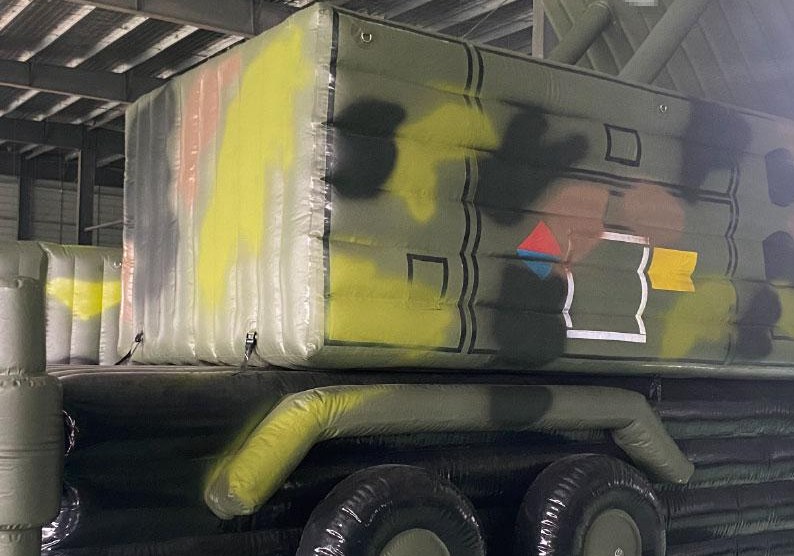
The operator stands at a console about the size of a laptop case, and the antenna array on the vehicle behind him rotates and elevates on command. The infrared source panel is running, so the vehicle carries a heat image as well as a radar image, and the acoustic unit adds the sound a live position would make. The whole set is driven from up to two kilometres away — far enough that the crew is not standing beside the thing they are trying to make look occupied.
Nothing on the vehicle is switched by hand. That is deliberate: a decoy site is only convincing if it looks unattended, and a crew walking around it with a controller is the first thing an analyst notices.
WHY MOVEMENT IS THE CHEAPEST REALISM
A static radar is a dead radar
Imagery analysis works by comparison. Two passes over the same dispersal an hour apart, and an array that has not moved is written off — as a decoy or as destroyed, either way it stops attracting anything. Slow rotation and a change of elevation angle defeat that comparison at almost no cost, which is why the drive sits on the decoy rather than on a separate trailer.
The same logic applies to the thermal channel. A panel that is warm on the first pass and cold on the second is worse than no panel at all, so the infrared source is specified to run for the duration of a position, not for the duration of a demonstration.
WHAT IT RETURNS
Reflection is a property of the whole vehicle
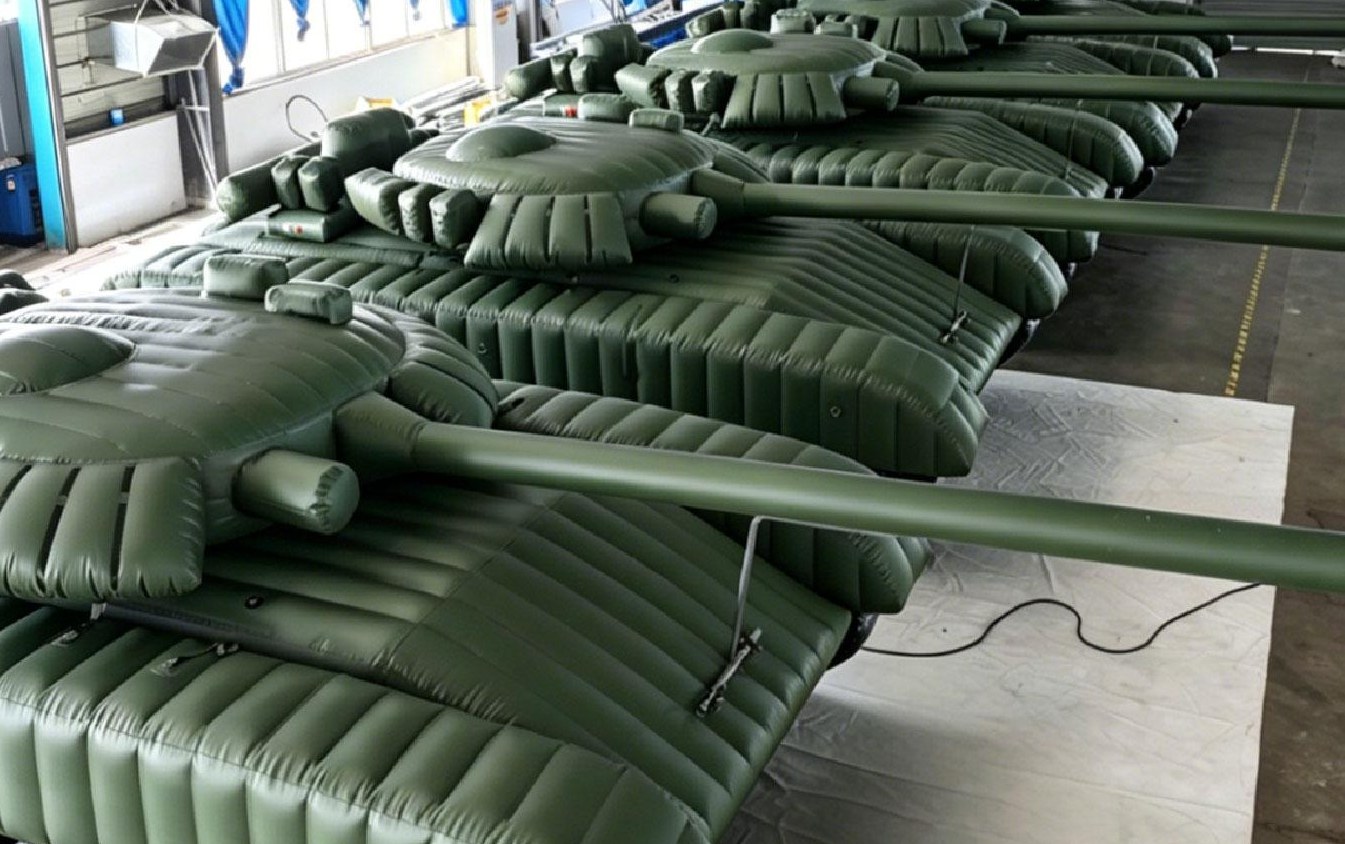
The decoy returns a strong, even radar echo across the body rather than only at the antenna face: reflectivity of 95 per cent or better from 1 to 20 GHz, with wave transmittance below 1 per cent. Hulls are inflated from metallic and composite fabrics, and a corner-reflector set is fitted to the cross-section being reproduced, so the return does not depend on the antenna being the right shape.
For a buyer the practical question is which of the three signatures your threat actually uses. Radar-only positions can be built for less; sites facing thermal imaging need the source panel and the power to run it; sites watched at close range need the acoustic unit and, often, the smoke option as well.
Latest uploads
More footage
Want to see a specific test or drill?
Tell us the question and we will film the answer.