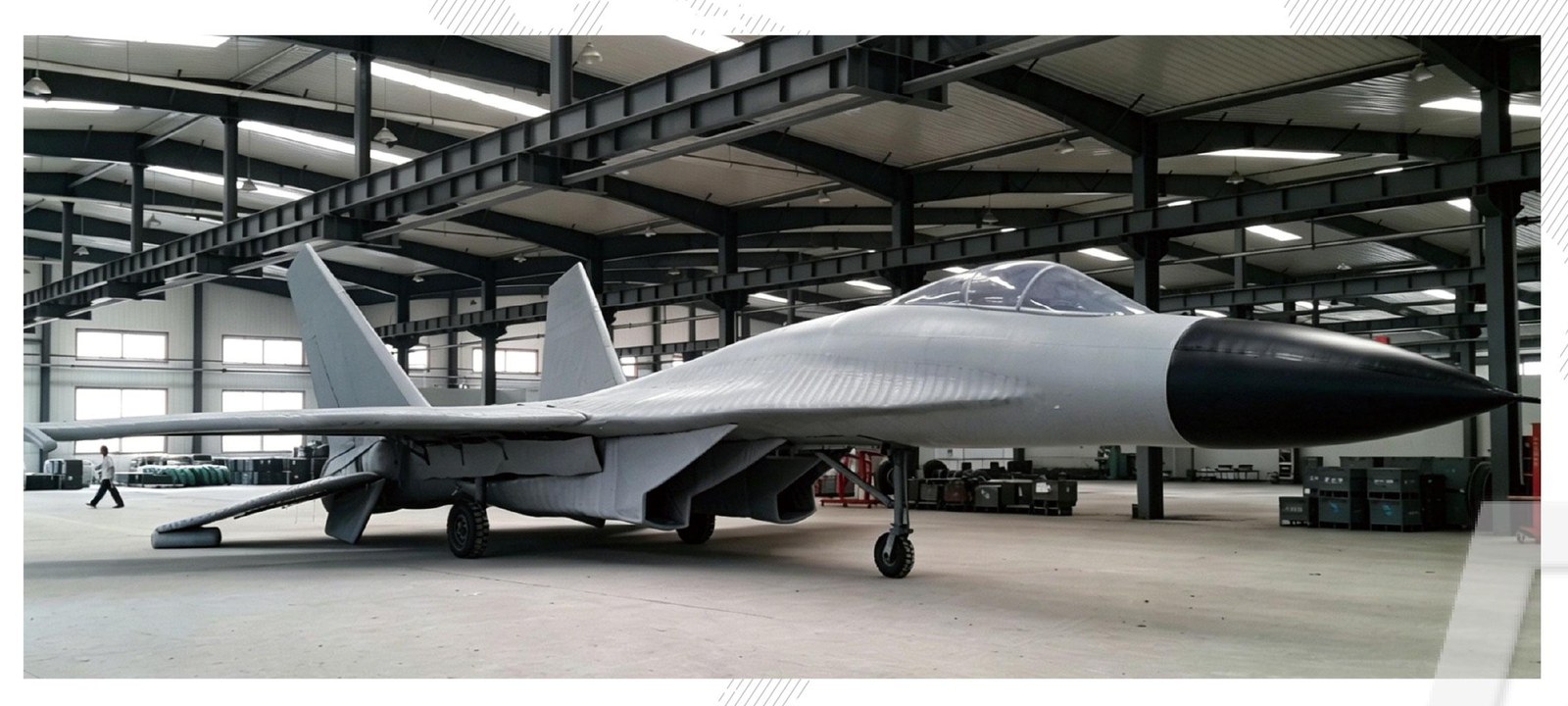
Remote-controlled fighter aircraft decoy
A full-scale fighter decoy on a remote-controlled chassis, so it can taxi out of a shelter and reposition under its own power.
A full-scale fighter decoy on a remote-controlled chassis, so it can taxi out of a shelter and reposition under its own power.
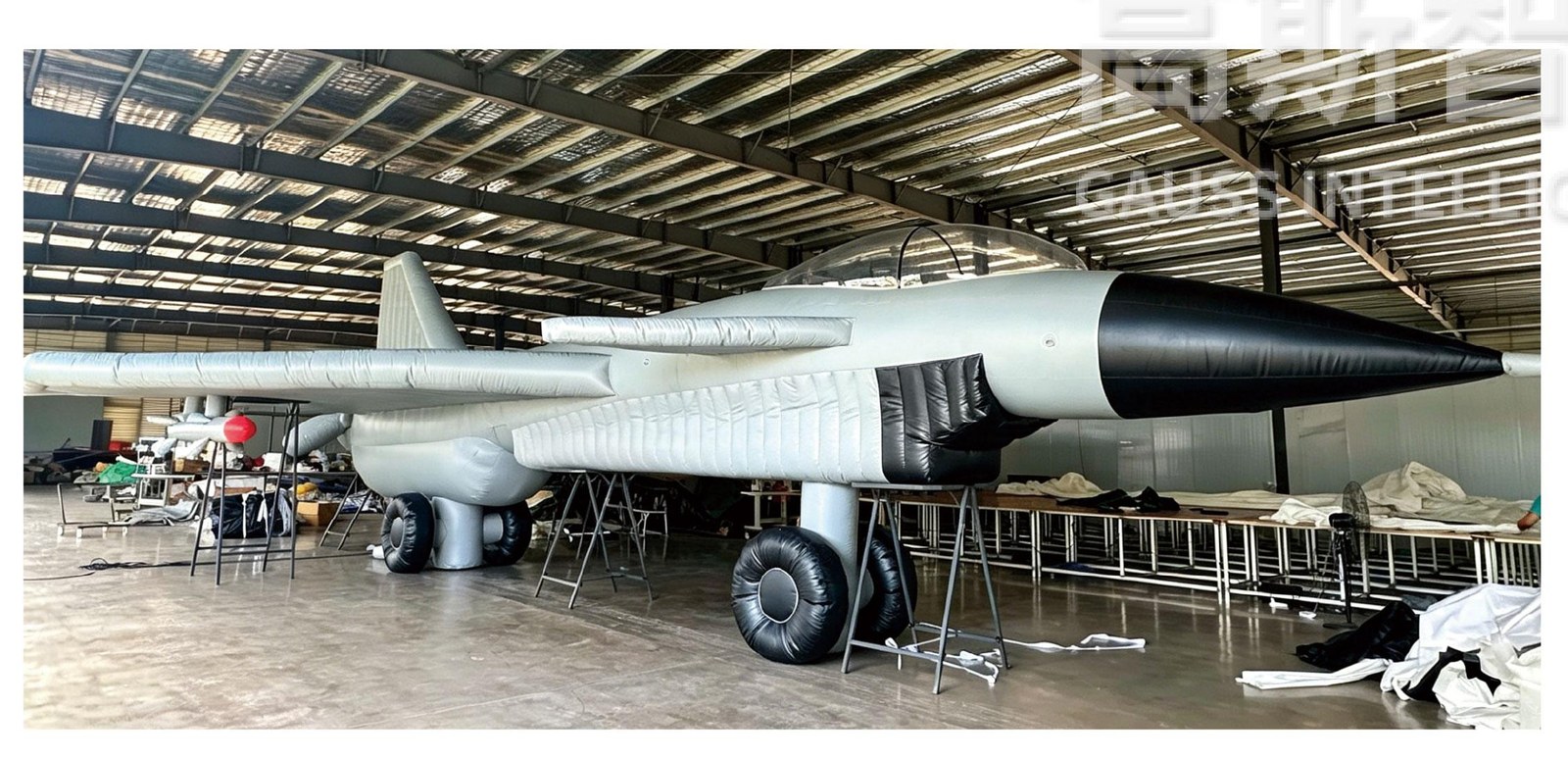
Light single-seat fighter decoy for airfield decoy lines, with a radar-reflective canopy and printed intake detail that hold up to close optical inspection.
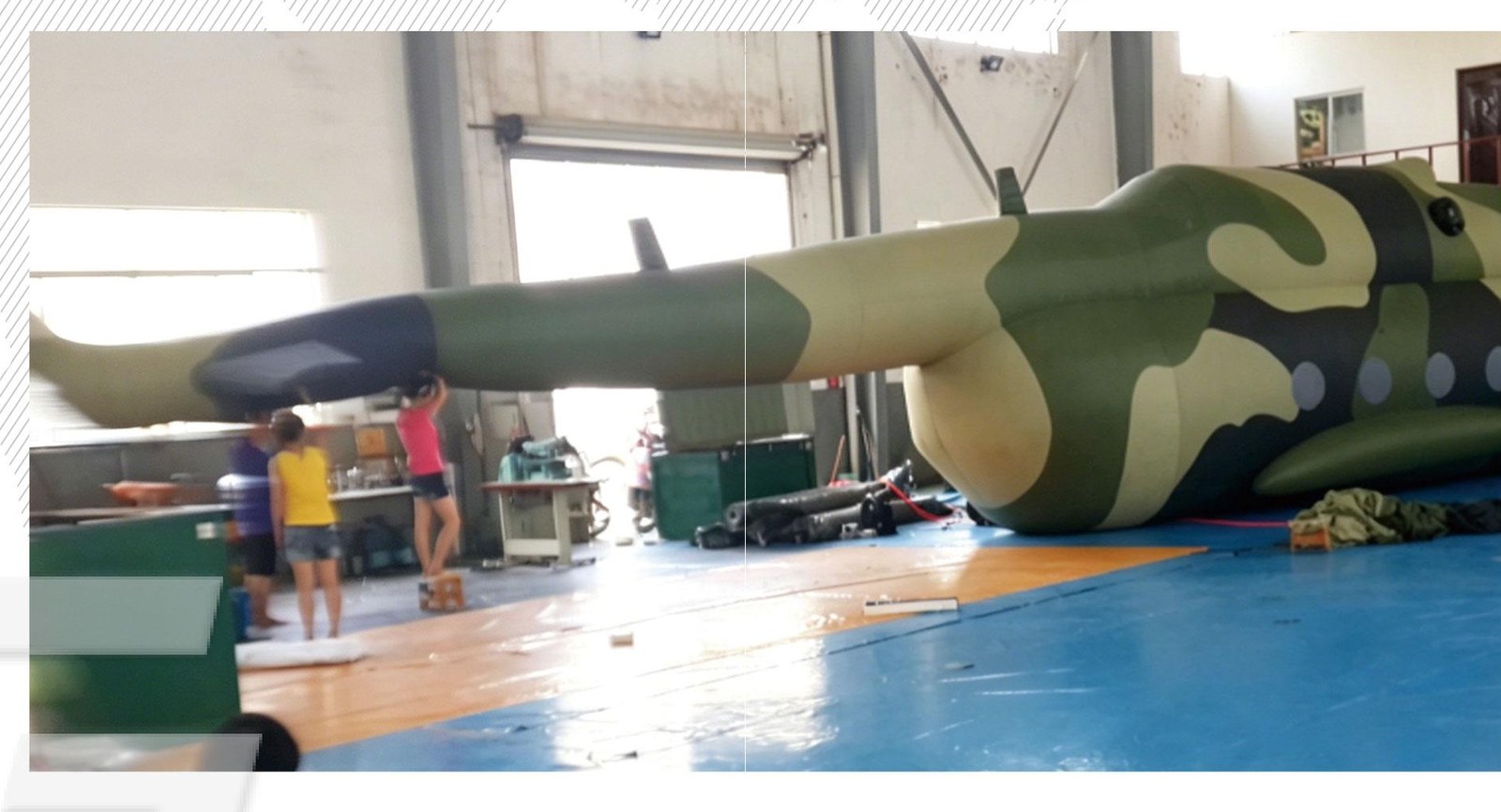
Transport helicopter decoy reproduced at full scale, with an optional powered main rotor so the silhouette reads as an operating aircraft.
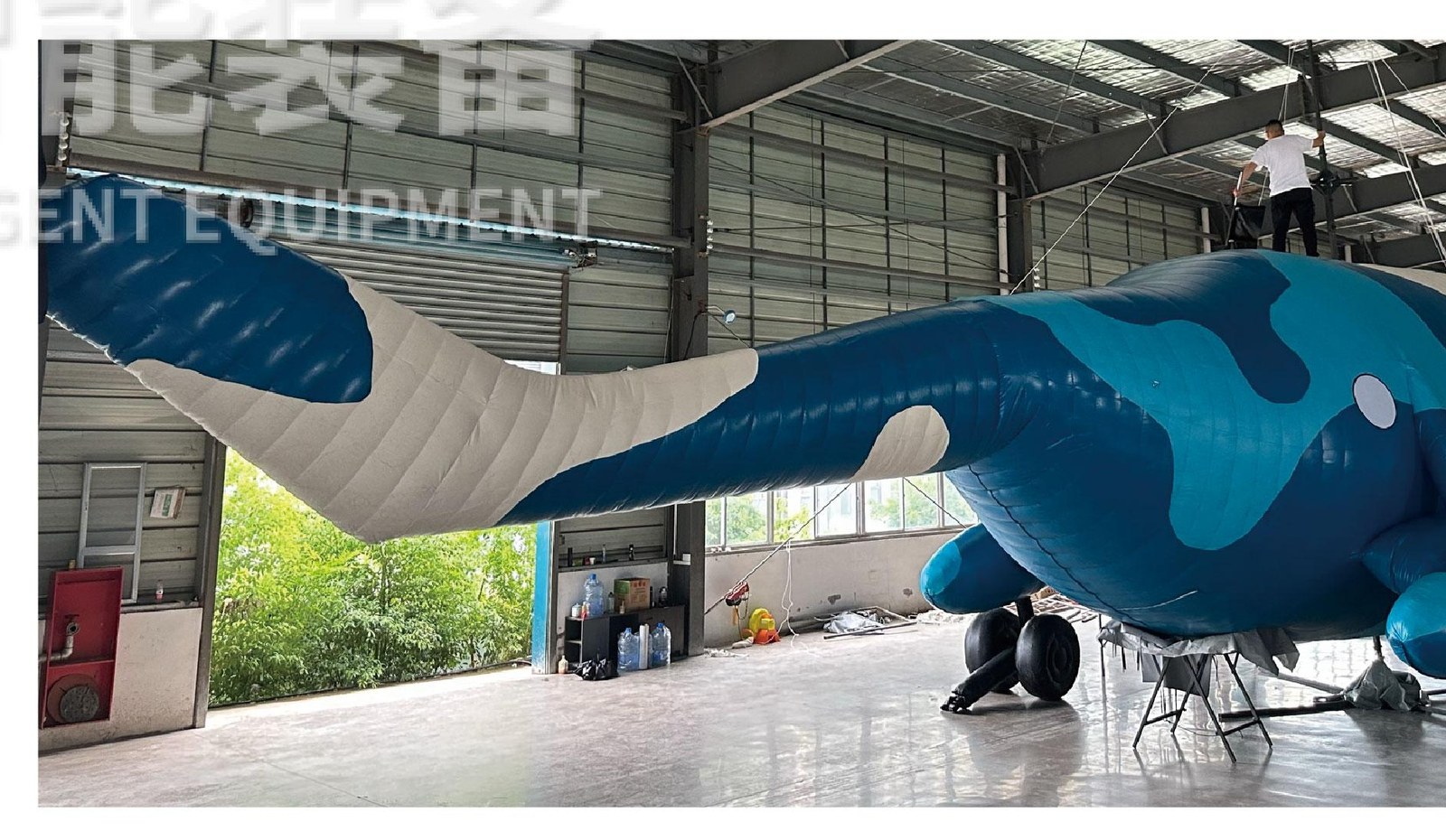
General-purpose helicopter decoy with an accurate cabin, skids and tail boom, supplied in any customer colour scheme and any rotor configuration.
Other categories
Overview
Aircraft decoys are built around a lightweight internal frame that holds the correct wing dihedral, tail geometry and store outlines while staying light enough for two people to handle. Intake lips, canopy frames and nozzle detail are printed into the skin so that the shape reads correctly through optical and infrared sensors at realistic observation ranges.
Fighters, fighter-bombers, transport aircraft, utility and attack helicopters and unmanned air vehicles. Proportions and panel layout are taken 1:1 from the platform you are standing in for, including rotor diameter and blade droop for helicopters.
12 to 15 minutes for a complete airframe with a two-person team. Helicopters with a full rotor set take the upper end of that range.
Yes. A motorised chassis option moves the decoy between dispersal positions, and the remote-control option switches the infrared heat source and the movement system from up to 2 km away, so the position appears to stay active.
The metallic coating option gives an adjustable radar cross-section matched to the airframe, and the heat source option reproduces the infrared signature. Both are specified per aircraft type rather than applied generically.
Guy lines and ground anchors are supplied as standard. Anchoring points follow the airframe outline, so the decoy keeps its correct attitude rather than collapsing to one side.
Yes. Markings, serials, squadron insignia and national camouflage schemes are printed to order, and decoys can be supplied as a set covering a dispersal or a full flight line.
More than 200 inflation cycles in field conditions, with field repair from the supplied patch kit.
01
Use the same ground, heading and spacing the real aircraft would use, so the pattern on imagery looks correct.
02
Unroll the fuselage and wings on the outline and align the nose with the runway or hardstanding axis.
03
Run the blower to working pressure — 12 to 15 minutes for a complete airframe.
04
Attach and tension the rotor set or propellers so the silhouette matches the real aircraft from above.
05
Tension guy lines to the supplied anchors and check the attitude against the likely sensor direction.
06
Install the heat source, radar reflector or motorised chassis if the exercise requires an active signature.
07
Deflate, fold into the section bags, and inspect seams and valves before storage.
| Minimum order | From 1 set — mixed models can share one container |
| Sample lead time | 72 hours for stock patterns |
| Documentation | Bid documents, test reports and certificate of origin |
| Customisation | Camouflage, unit markings, insignia and signature options |
| Service life | Over 200 inflation cycles in field conditions |
| Lead time & payment | Lead time and payment terms confirmed on enquiry |
Swipe to see more →
Tell us the platforms you need to simulate and we will confirm specification, lead time and payment terms in writing.
Send the platform type, the signature you need and the delivery country — any platform, from any origin. You get back a written specification, a lead time and an export quotation.
Request a quotation
Tell us what you need to protect and we will come back with a configuration and an export quotation.
Thank you — your enquiry has been prepared. We reply within one working day.