Simulated aircraft & helicopters
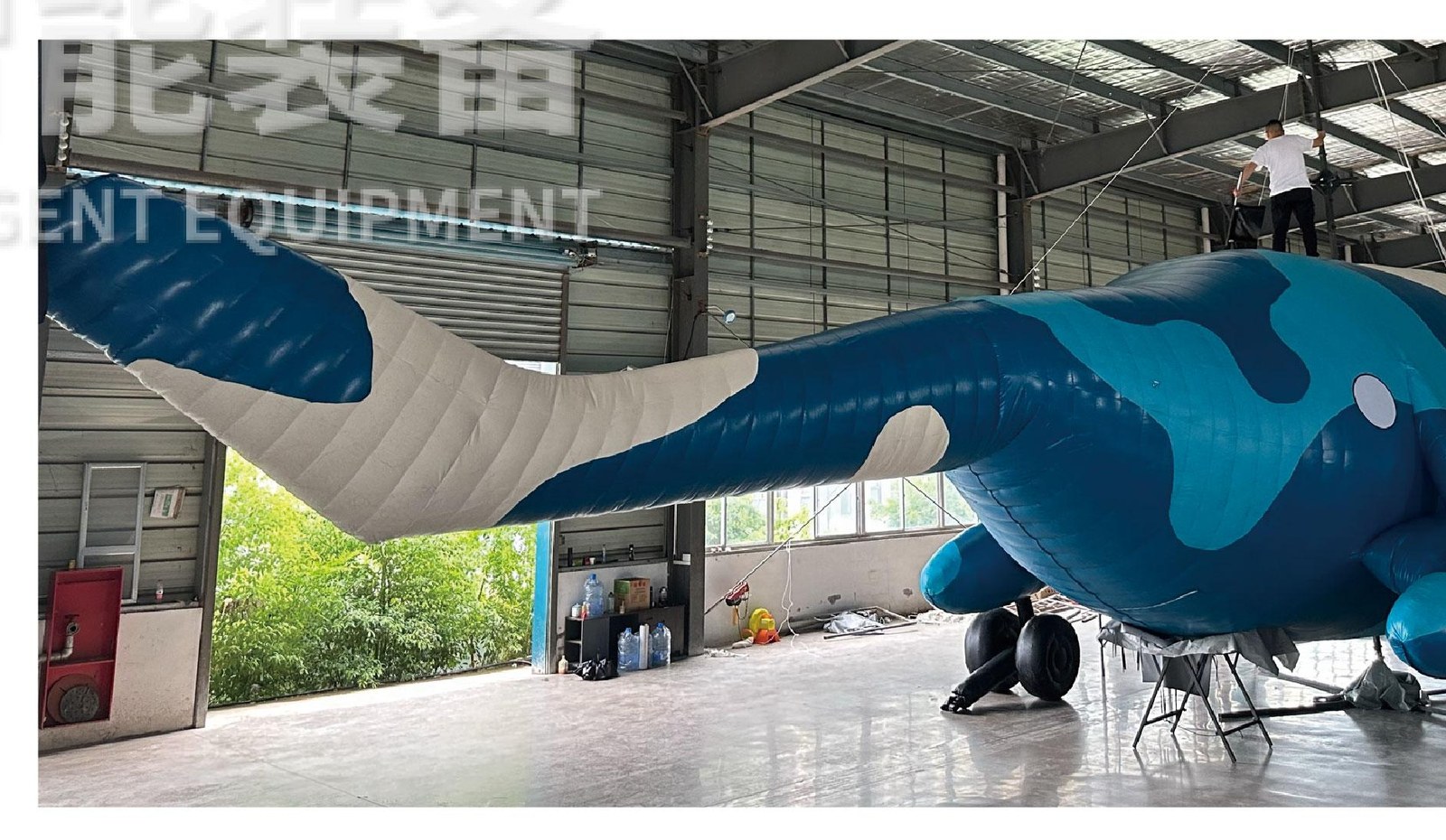
Mi-171 helicopter decoy
Transport helicopter decoy reproduced at full scale, with an optional powered main rotor so the silhouette reads as an operating aircraft.
- Scale
- 1:1
- Length
- 18 m+
- Material
- High-strength composite fabric with nano metallic coating
- Deployment time
- 10–15 min
01
Gallery
Product gallery
02
Simulated aircraft & helicopters
Product details
A 1:1 Mi-171 with main and tail rotor geometry reproduced to scale. The rotor blades are internally stiffened so they keep their shape, and a slow rotation drive can be fitted, which makes the decoy far harder to dismiss from the air. Suitable for concealing real helicopter movements or for building up a false forward operating base.
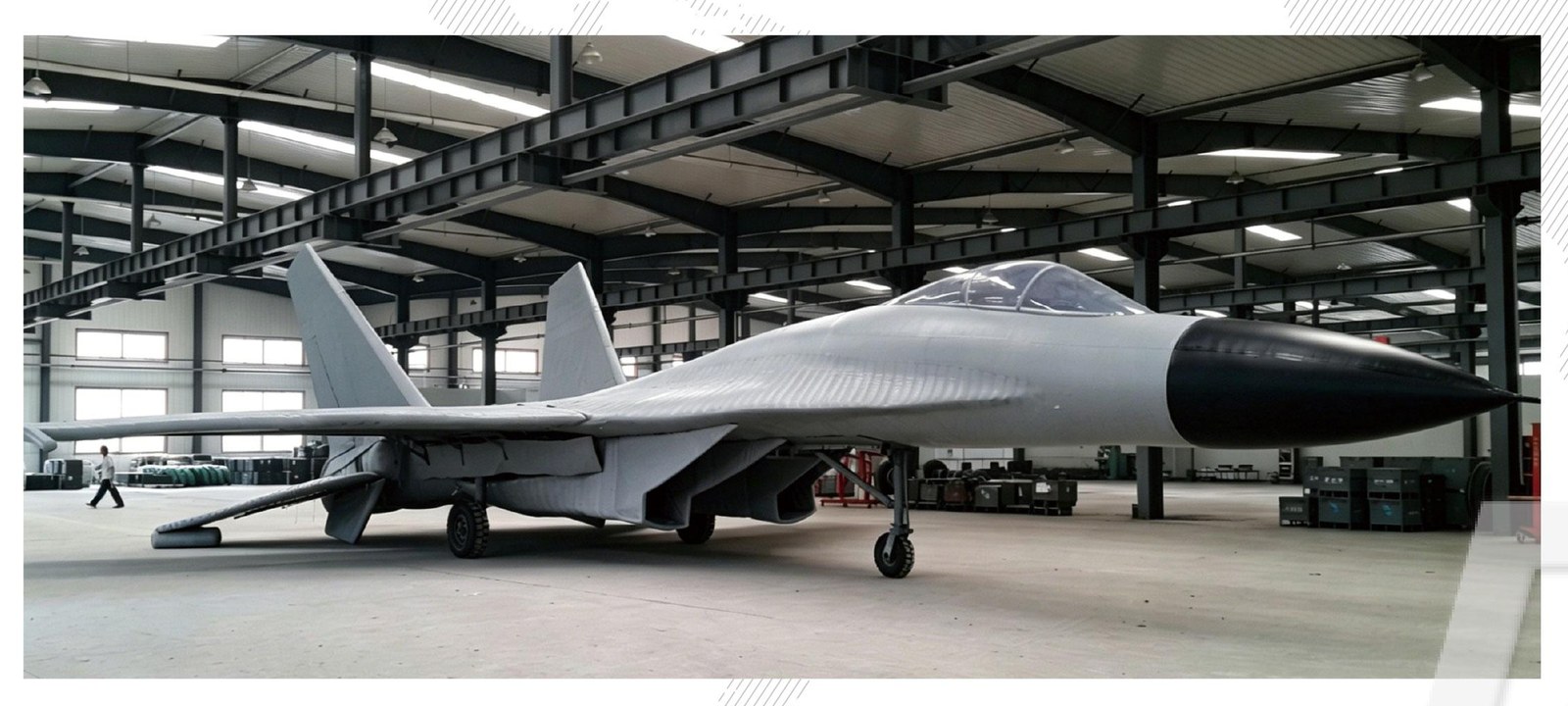
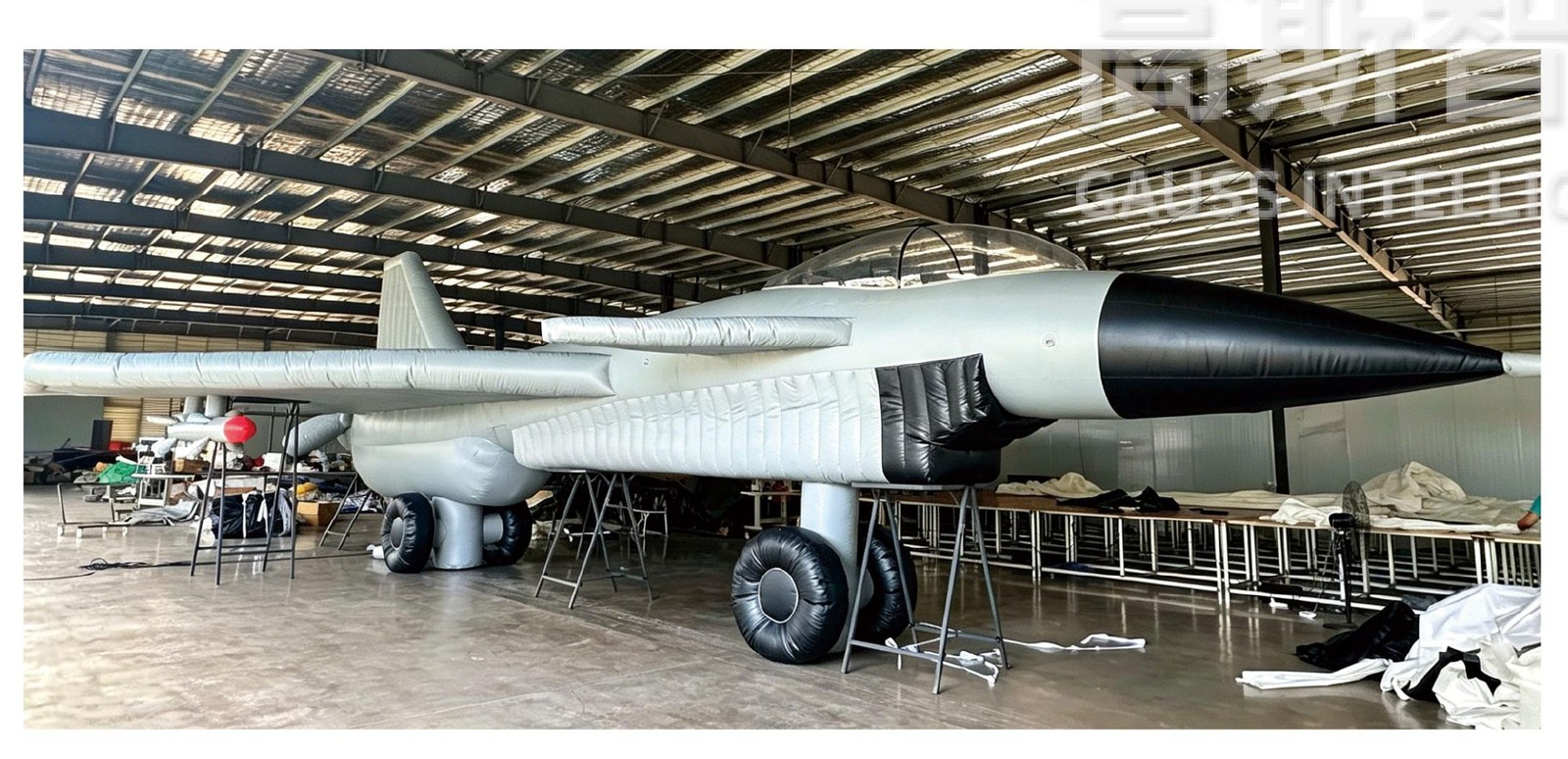
Aircraft decoys are built around a lightweight internal frame that holds the correct wing dihedral, tail geometry and store outlines while staying light enough for two people to handle. Intake lips, canopy frames and nozzle detail are printed into the skin so that the shape reads correctly through optical and infrared sensors at realistic observation ranges.
Key features
- Full-scale fuselage, tail boom and rotor head
- Optional motorised main rotor
- Radar and infrared signature treatments available
Typical applications
Forward airfield decoy · helicopter dispersal training · exhibition display
03
Technical specifications
Technical specifications
| Scale | 1:1 |
|---|---|
| Length | 18 m+ |
| Material | High-strength composite fabric with nano metallic coating |
| Deployment time | 10–15 min |
| Operating crew | 3 |
| Options | Powered main-rotor rotation |
04
Simulated aircraft & helicopters
What is included
- Airframe hull with printed camouflage
- Electric inflation blower
- Rotor or propeller set where applicable
- Guy lines with ground anchors
- Repair patch kit and adhesive
- Transit and storage bag for each section
- Operation and maintenance manual
05
Simulated aircraft & helicopters
Deployment
-
Select the dispersal position
Use the same ground, heading and spacing the real aircraft would use, so the pattern on imagery looks correct.
-
Lay out the airframe
Unroll the fuselage and wings on the outline and align the nose with the runway or hardstanding axis.
-
Inflate to pressure
Run the blower to working pressure — 12 to 15 minutes for a complete airframe.
-
Fit rotors or propellers
Attach and tension the rotor set or propellers so the silhouette matches the real aircraft from above.
-
Anchor and orient
Tension guy lines to the supplied anchors and check the attitude against the likely sensor direction.
-
Fit signature options
Install the heat source, radar reflector or motorised chassis if the exercise requires an active signature.
-
Recover and service
Deflate, fold into the section bags, and inspect seams and valves before storage.
06
Simulated aircraft & helicopters
Frequently asked questions
Questions buyers ask about the Mi-171 helicopter decoy.
Which aircraft can be reproduced?
Fighters, fighter-bombers, transport aircraft, utility and attack helicopters and unmanned air vehicles. Proportions and panel layout are taken 1:1 from the platform you are standing in for, including rotor diameter and blade droop for helicopters.
How long does deployment take?
12 to 15 minutes for a complete airframe with a two-person team. Helicopters with a full rotor set take the upper end of that range.
Can the decoy move or change signature remotely?
Yes. A motorised chassis option moves the decoy between dispersal positions, and the remote-control option switches the infrared heat source and the movement system from up to 2 km away, so the position appears to stay active.
Does it defeat radar as well as optical sensors?
The metallic coating option gives an adjustable radar cross-section matched to the airframe, and the heat source option reproduces the infrared signature. Both are specified per aircraft type rather than applied generically.
How is it held down in wind?
Guy lines and ground anchors are supplied as standard. Anchoring points follow the airframe outline, so the decoy keeps its correct attitude rather than collapsing to one side.
Can it be used for a specific exercise scenario?
Yes. Markings, serials, squadron insignia and national camouflage schemes are printed to order, and decoys can be supplied as a set covering a dispersal or a full flight line.
What is the service life?
More than 200 inflation cycles in field conditions, with field repair from the supplied patch kit.
07
Simulated aircraft & helicopters
Ordering and delivery
- Minimum order
- From 1 set — mixed models can share one container
- Sample lead time
- 72 hours for stock patterns
- Documentation
- Bid documents, test reports and certificate of origin
- Customisation
- Camouflage, unit markings, insignia and signature options
- Service life
- Over 200 inflation cycles in field conditions
- Lead time & payment
- Lead time and payment terms confirmed on enquiry
Tell us the platforms you need to simulate and we will confirm specification, lead time and payment terms in writing.
Enquire about this productRelated products
Send us your platform list
Tell us which vehicles, aircraft or radar sets you need to protect and we will return a configuration, a lead time and an export quotation.