WHAT THE CLIP SHOWS
Every system is inflated before it is packed
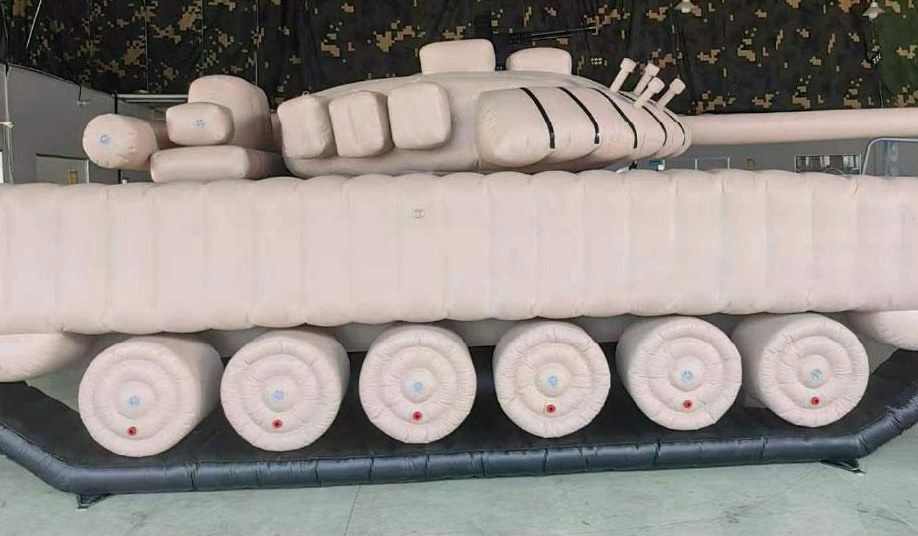
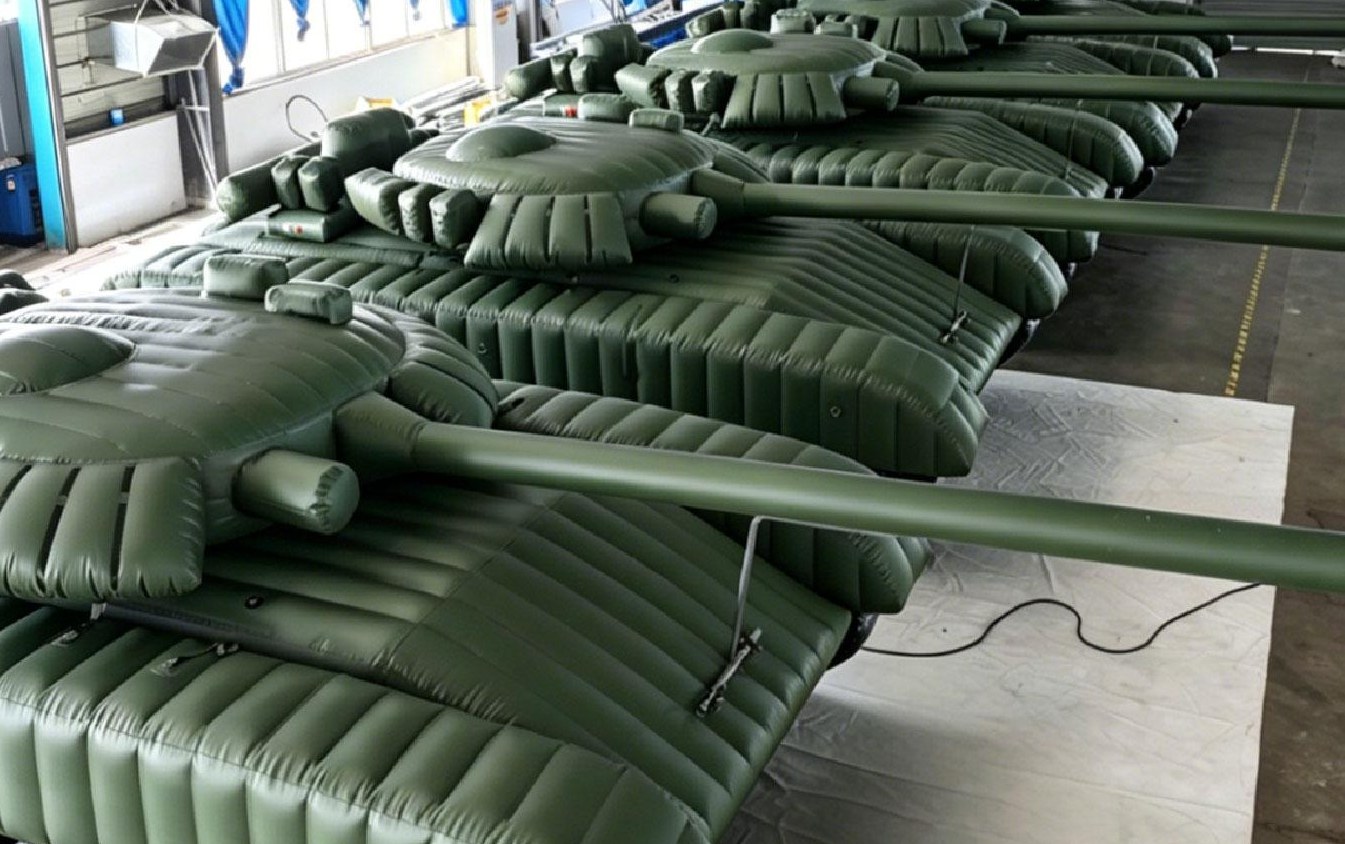
This is the least glamorous footage we have, and the most useful. In the production hall a finished decoy is inflated to full volume on the floor, held at working pressure while it is measured against the drawing, and inspected seam by seam — valve seats, weld lines, and the printed detail that has to line up with the platform.
Only then is it deflated, folded to the packing plan and crated. The clip is vertical and unedited because that is how the inspection happens: one person, one torch, one decoy at a time.
WHY WE DO IT TWICE
A decoy that fails in the field cannot be replaced overnight
A container shipped to another continent is expensive to return. If a seam lets go on the third inflation, the customer has a decoy field with a hole in it and a repair argument instead of a replacement. Inflating and measuring in the hall catches what a folded inspection cannot see: a weld that holds at low pressure and creeps at working pressure, a valve that seats only when new, a panel that is five centimetres short once the shape is up.
Each unit carries the record of that inspection — pressure held, dimensions measured, the name of the person who signed it off — because the buyer of the twentieth decoy deserves the same evidence as the buyer of the first.
WHAT LEAVES WITH IT
The crate is the system
Every system ships as a set rather than a bag: the decoy, the blower matched to its volume, the anchoring kit, repair patches and adhesive, and the packing plan that tells a crew how to get it back into the bag the same way it came out.
Spares are quoted at the same time as the first order, because the parts that wear — valves, blower seals, anchor plates — wear at a rate we already know from units in service. Consumables are deliberately standard, so a unit can reorder without matching a serial number.
Latest uploads
More footage
Want to see a specific test or drill?
Tell us the question and we will film the answer.