Radar decoys: frequency range, reflectivity and what really matters
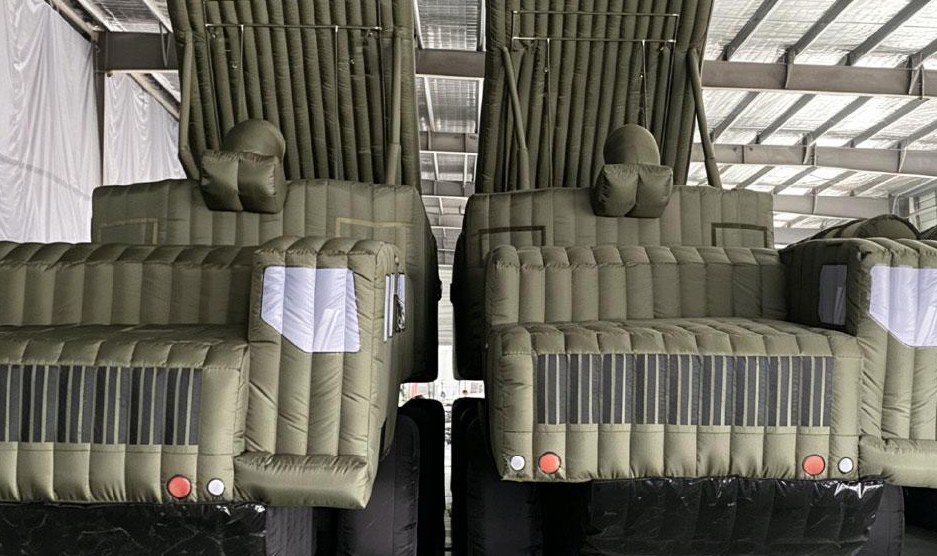
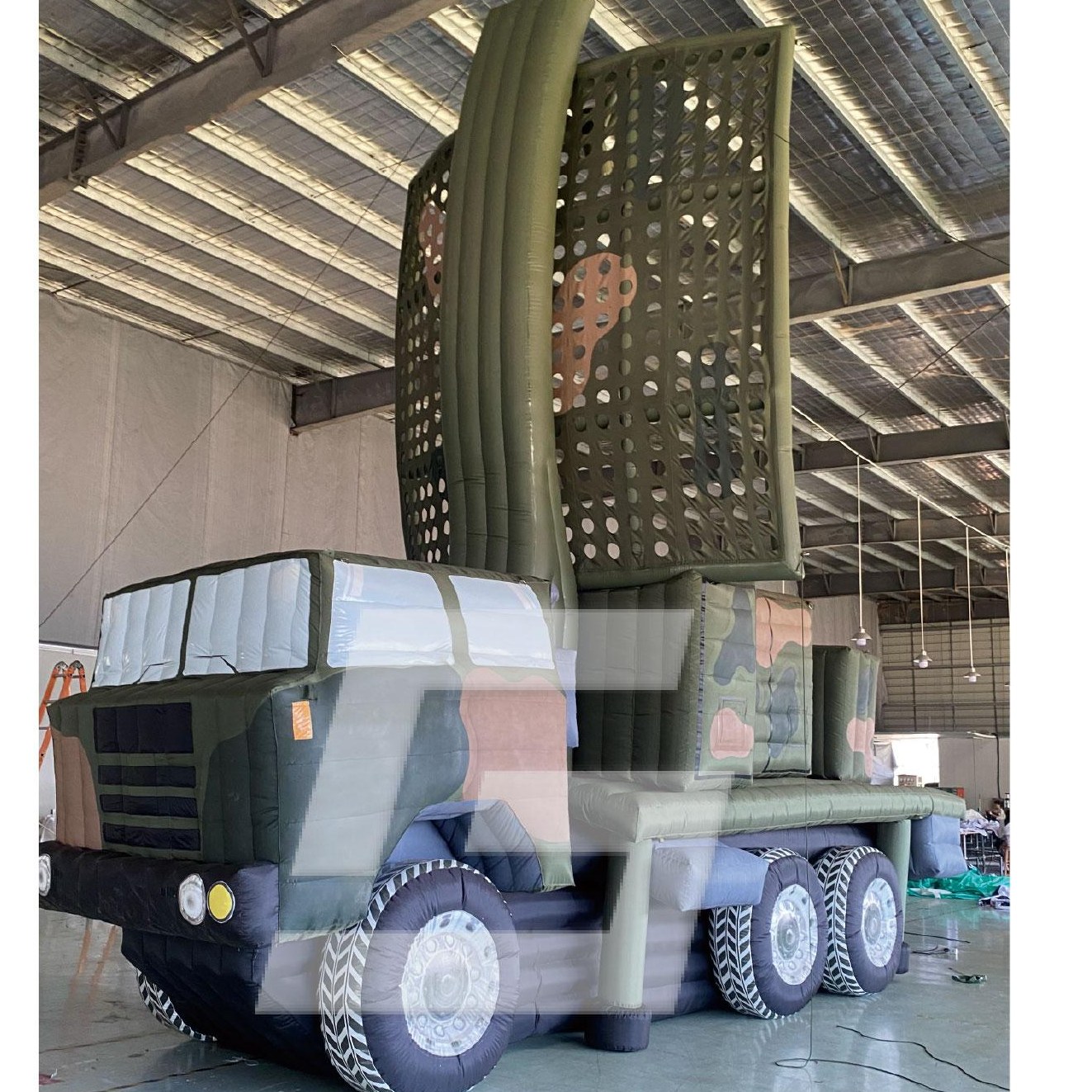
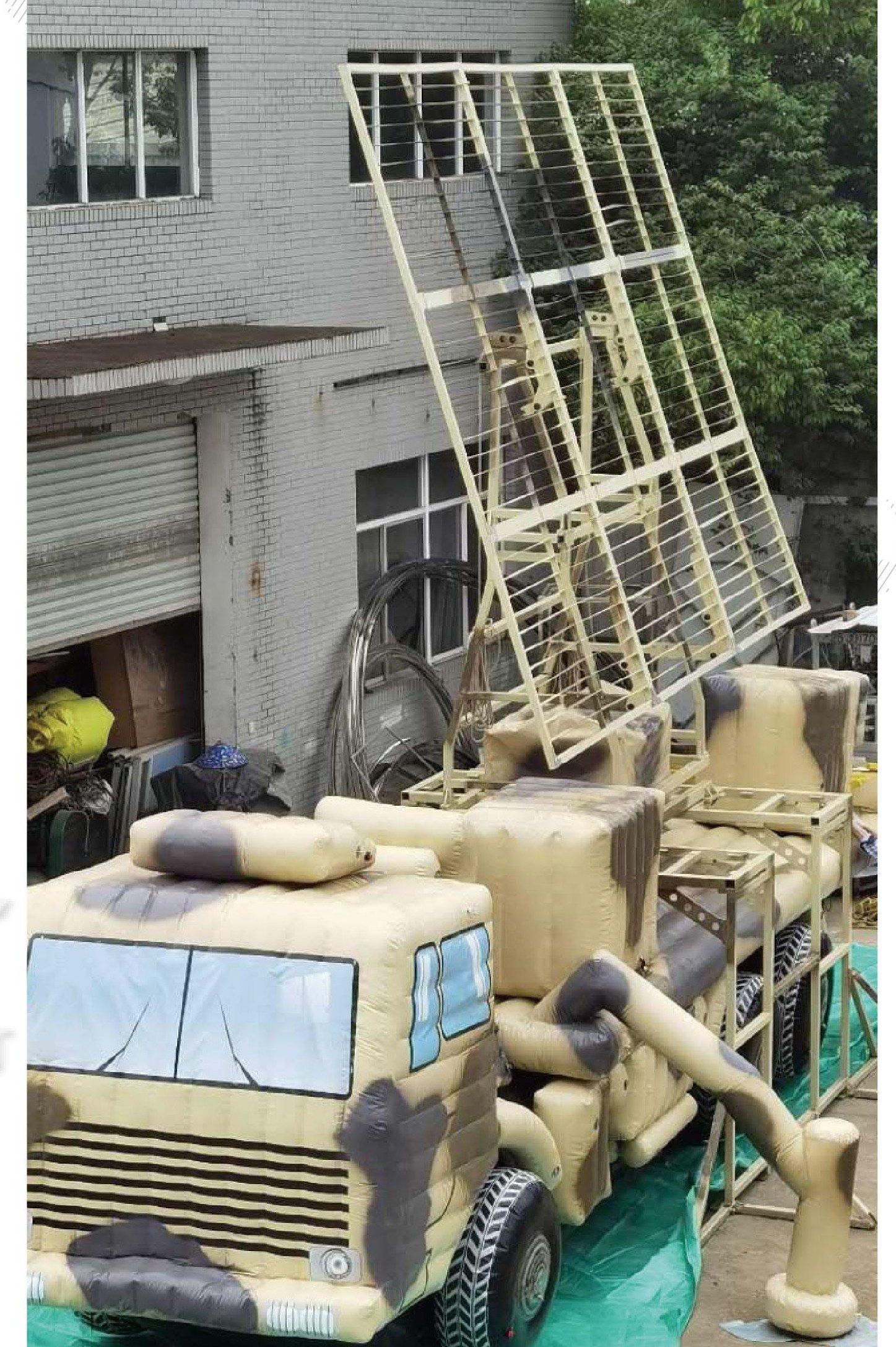
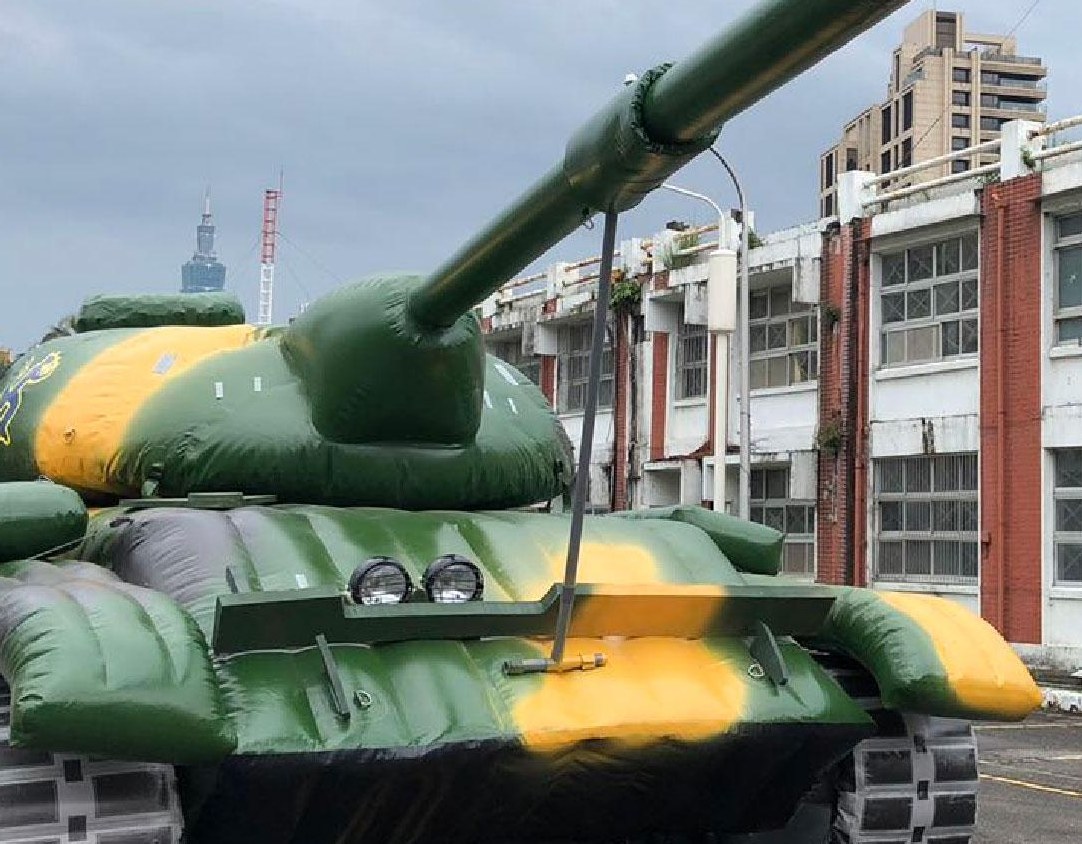
The purpose of a radar decoy is to put returns on a screen where no vehicle exists. That is a radio-frequency engineering problem, and it is solved in the coating, the geometry and the seams — not in the paint.
Operating frequency range
Radars used for acquisition, fire control and battlefield surveillance work from roughly 1 GHz to 20 GHz. A decoy that performs well at 3 GHz may be almost transparent at 10 GHz. Specify the range you need covered and ask for the reflectivity figure at the top of that range, not in the middle of it.
Reflectivity and transmittance
"Reflectivity" describes how much incident energy comes back; "transmittance" describes how much passes straight through the fabric. A useful decoy needs reflectivity of 95% or more and transmittance of 1% or less across the specified band. Together, those two figures are what make a textile read like metal.
Geometry, seams and detail
- Corner reflectors formed by hull, turret and barrel angles
- Panel lines and louvres that break up the return realistically
- Seams welded rather than stitched, so the surface stays continuous
- Metallic fittings kept away from the highest-return areas
None of this survives first contact with the field unless it is robust. That is why we specify structural fabric at 1600 N / 5 cm tensile and 45 N tear strength, and why every decoy is inflated and inspected before it is packed.
Send us the emitter list you need to defeat and we will come back with the band, the coating and the expected reflectivity.