How inflatable decoys defeat modern reconnaissance
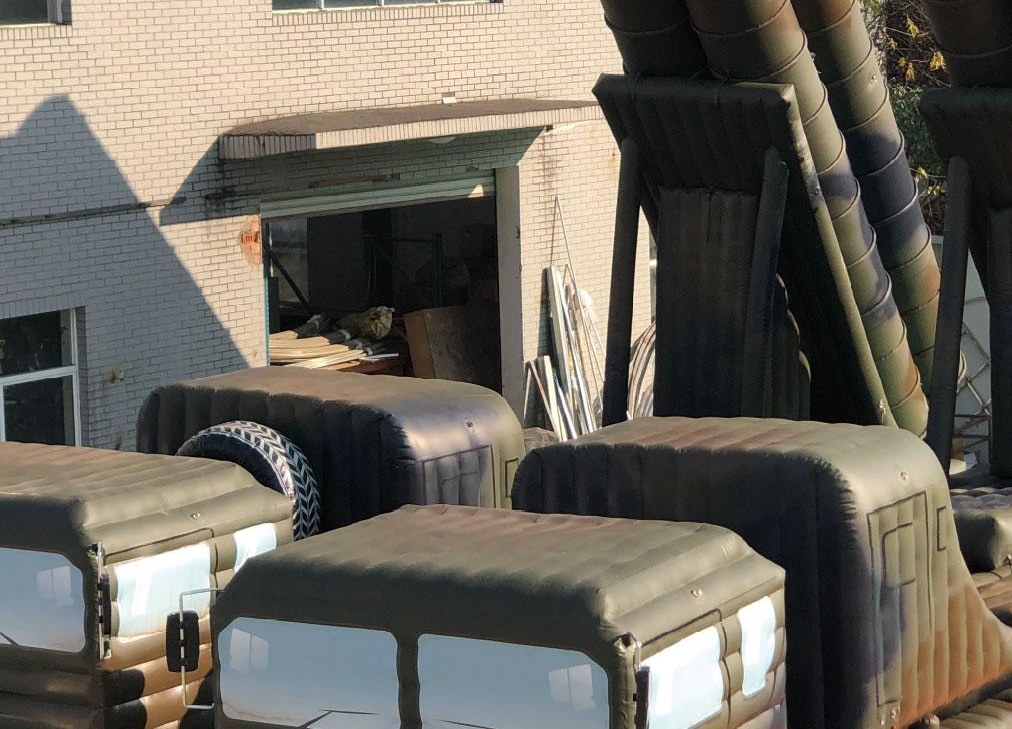
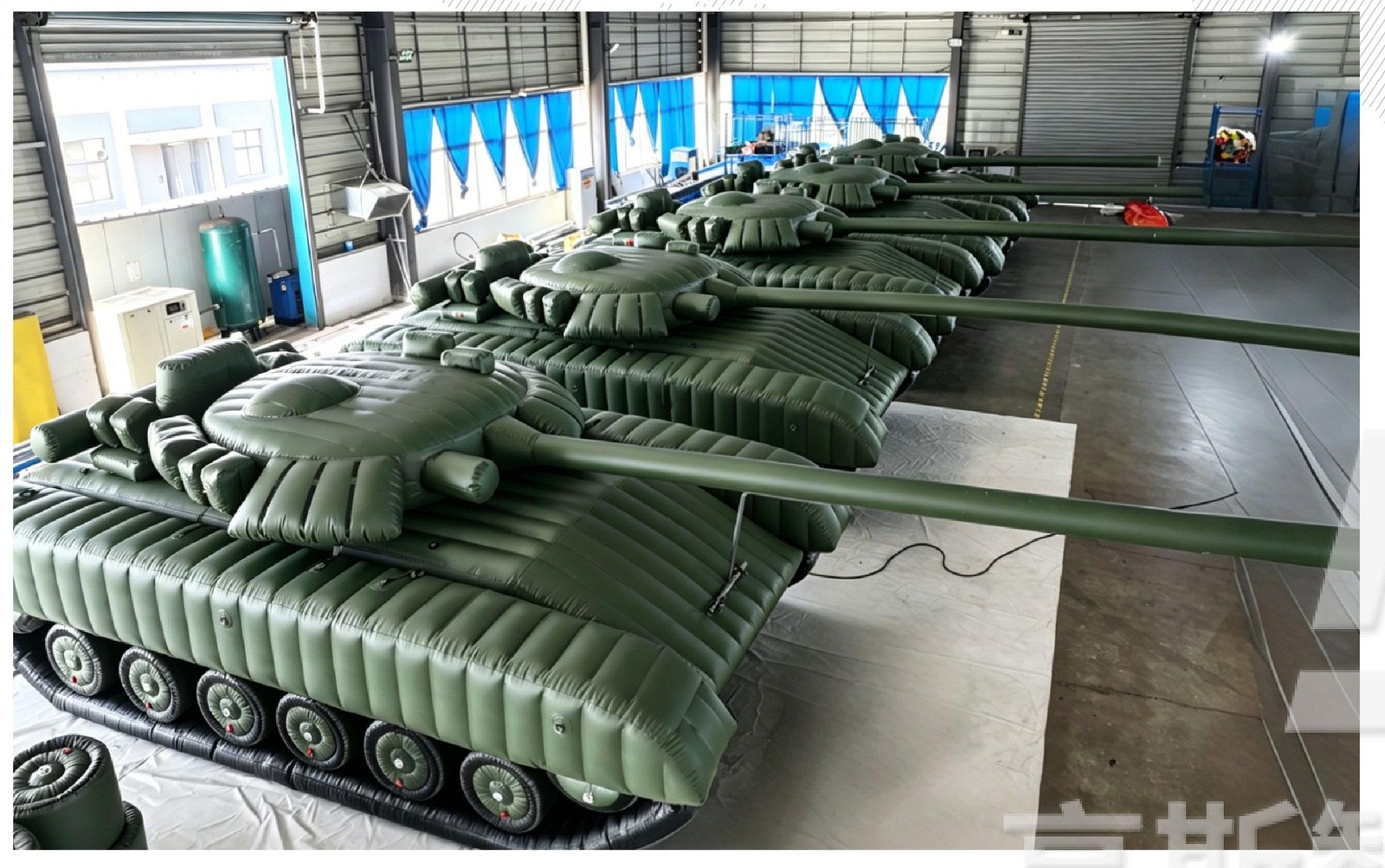
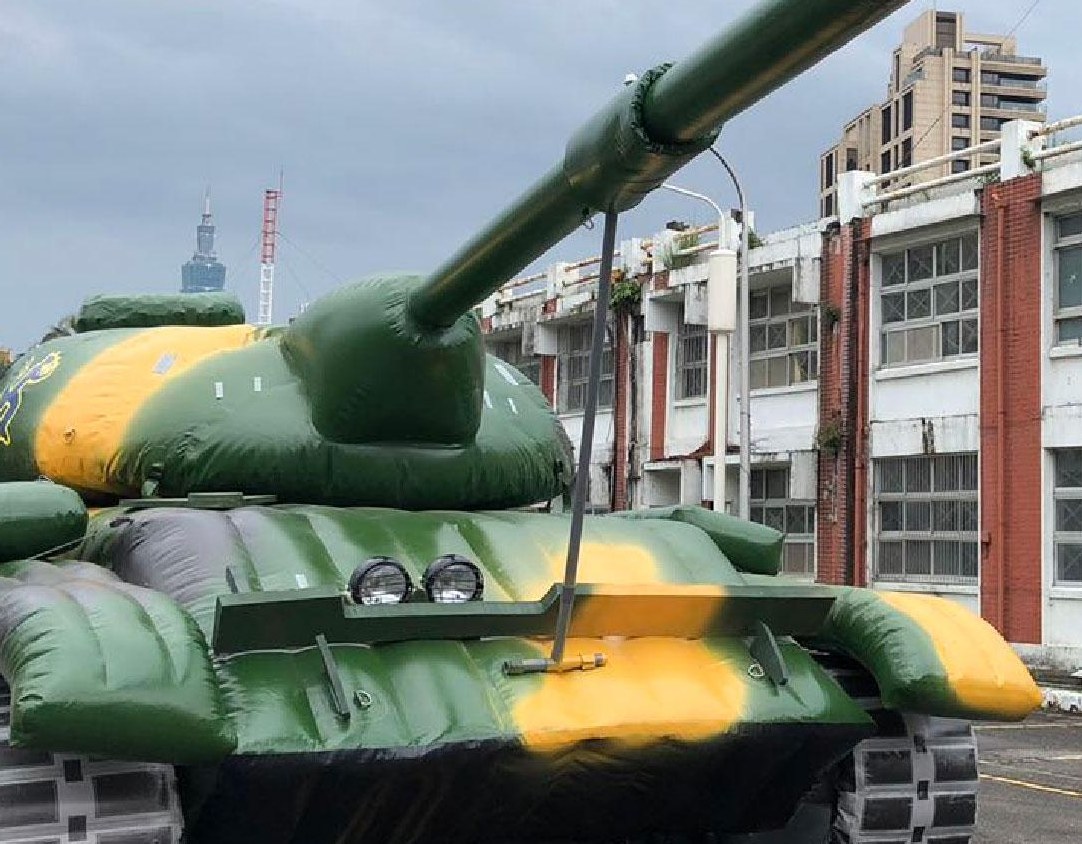
A decoy is not a model. It is a signature. The question an analyst or an aircrew asks is not "is that a real tank?" but "is there any reason to believe this is not a real tank?" Everything in the design exists to remove that reason.
The three signatures that matter
- Radar — the shape has to return energy in the right places, at the right frequencies, with the right polarisation.
- Infrared — the object has to be warm where a running vehicle is warm and cool where it is not.
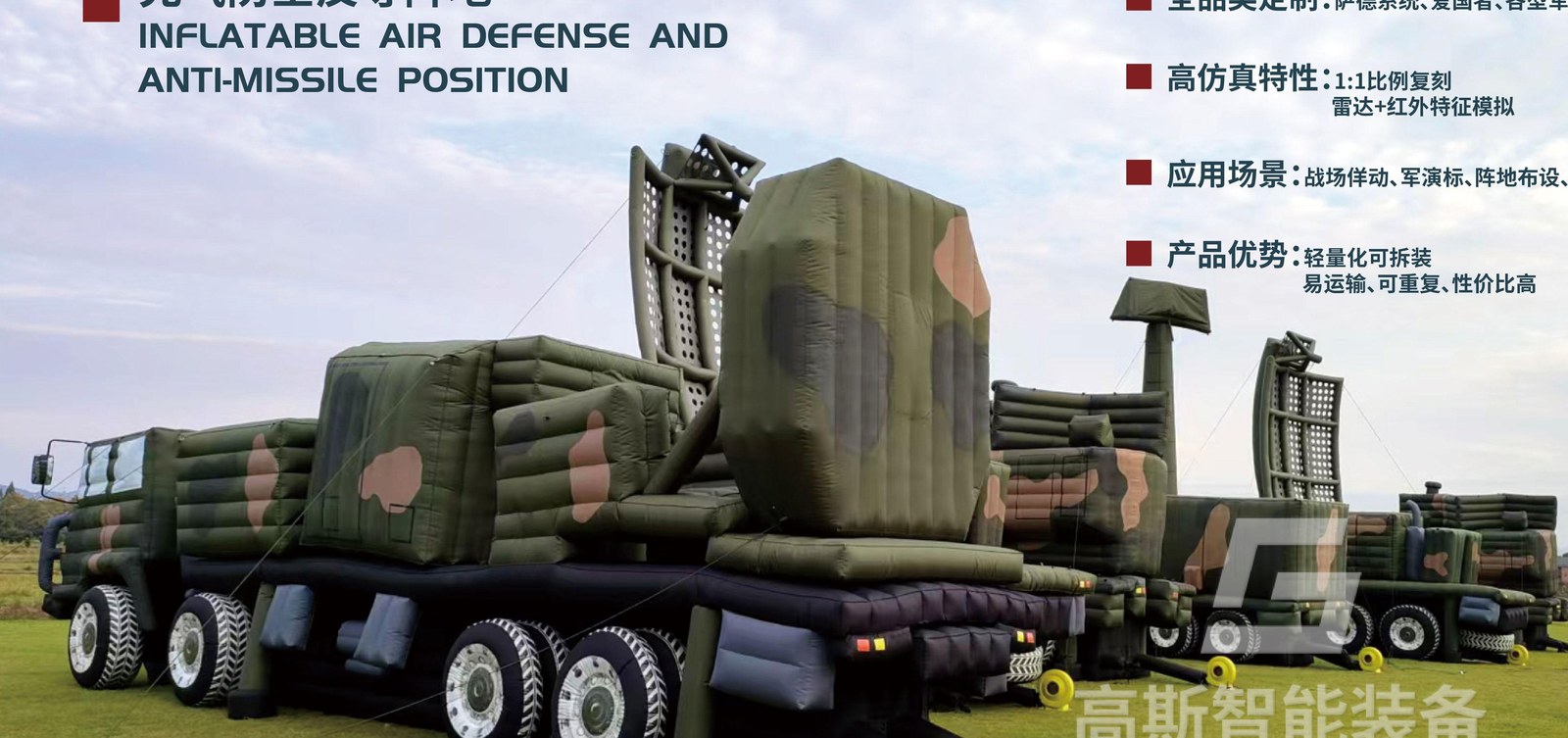
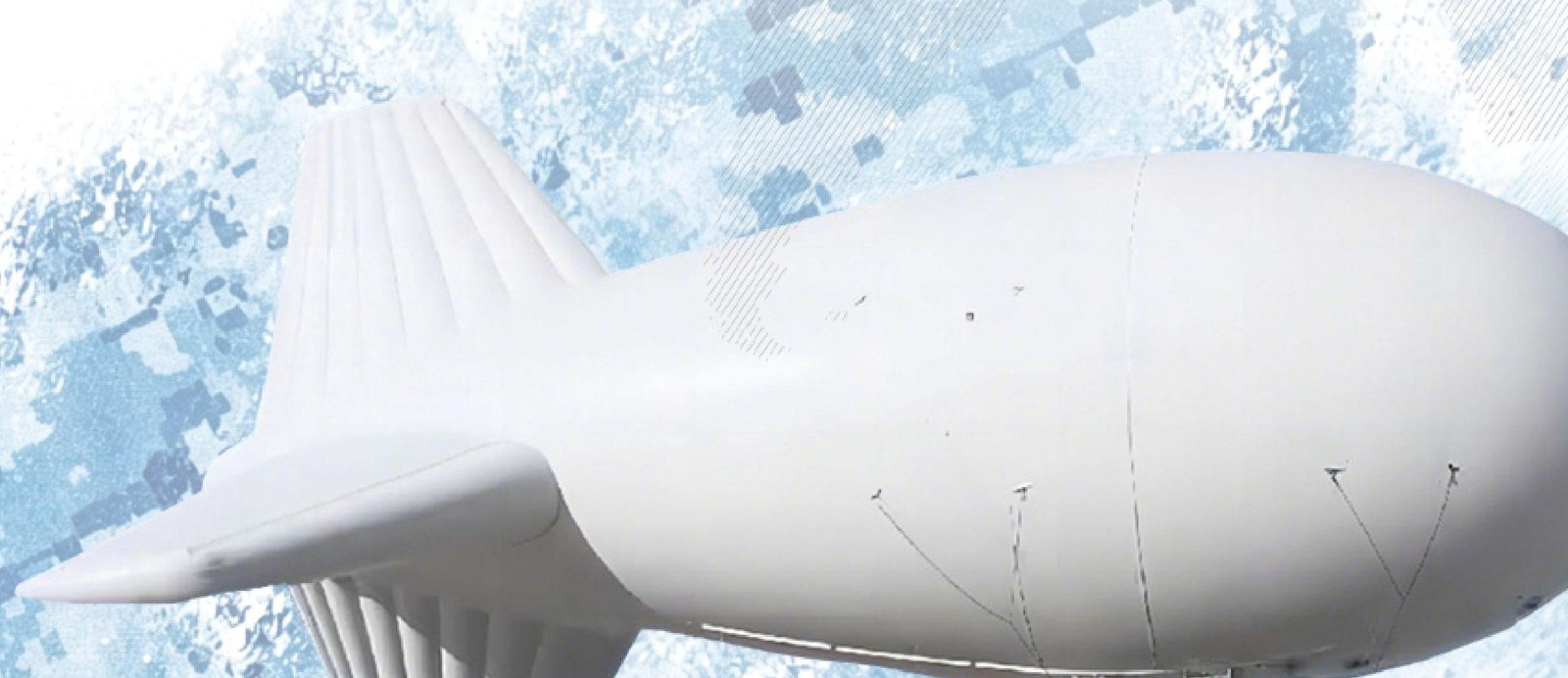
- Optical and acoustic — the silhouette has to be right from the angles sensors actually look from, and the position has to sound occupied.
Most cheap decoys fail on the first of these. A fabric shape with no conductive coating is almost transparent to radar: it may look perfect in a photograph and return nothing on a radar screen. Our envelopes are finished with a nano metallic coating tuned to the bands of the emitters that need to be defeated, and reflectivity is specified as a measured figure rather than a claim.
Adding movement
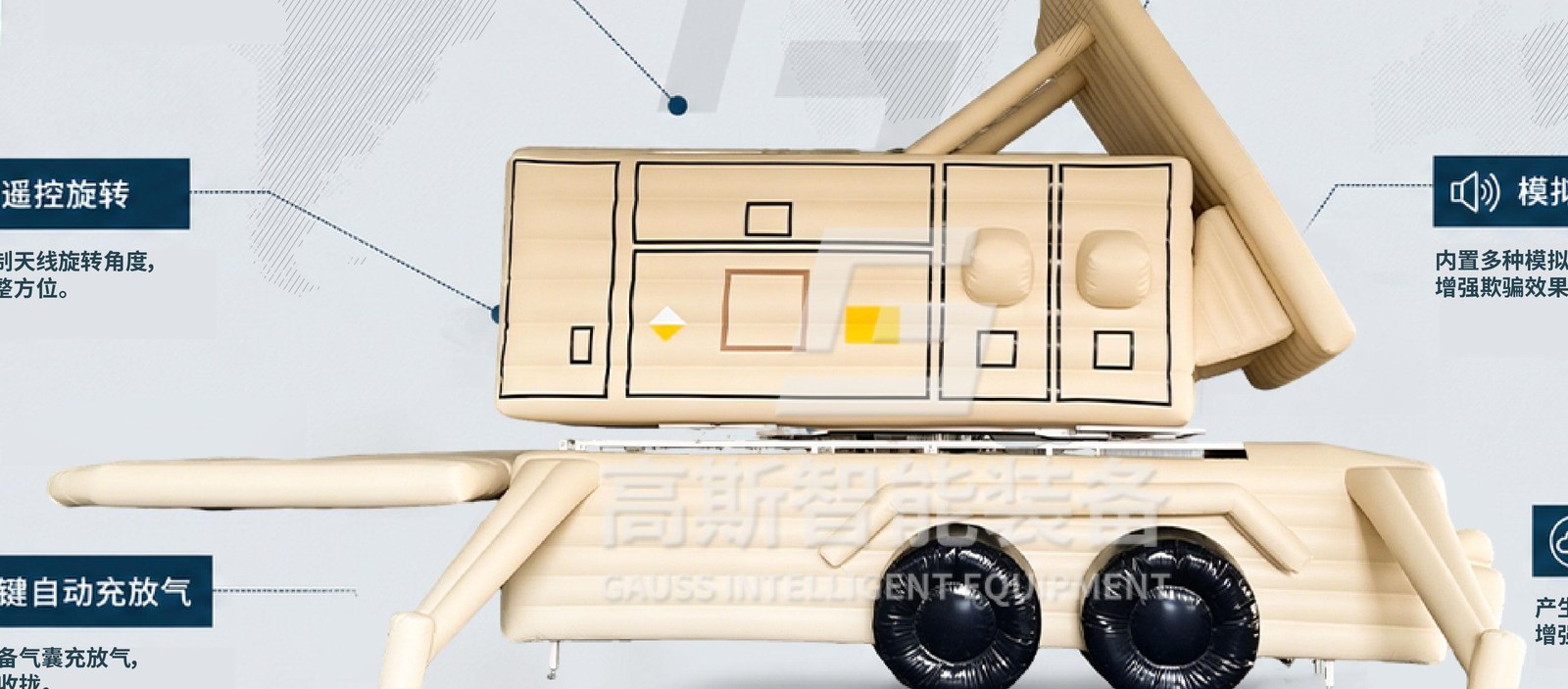
Static objects are easy to dismiss. Imagery analysts look for change — a turret that has moved between passes, a radar pointing a different way, a vehicle in a new position. Motorised turret and antenna drives turn a decoy from a photograph into a target that has to be re-examined on every revisit, which is exactly the cost we want to impose.
What to specify
When you write a requirement, ask for measured figures: operating frequency range, wave transmittance, reflectivity, temperature range and thermal response time. Ask how the decoy is inflated and how many people it takes. Ask what happens after ten years of use, and what a field repair actually involves. A supplier who can answer those questions specifically is a supplier who has built the product rather than bought it.
SENTINEL has manufactured inflatable decoys since 1999 and has delivered more than 8,000 systems to over 20 countries.